
How To Control Ticks

Most people don’t pay much attention to tick control. That tends to change when they find a tick on themselves after a bush walk or on their pet. 100% tick control cannot be guaranteed, but with some good tick prevention tips and use of suitable tick control products, the chances of picking up a tick on your property can be significantly reduced.
Tick Identification
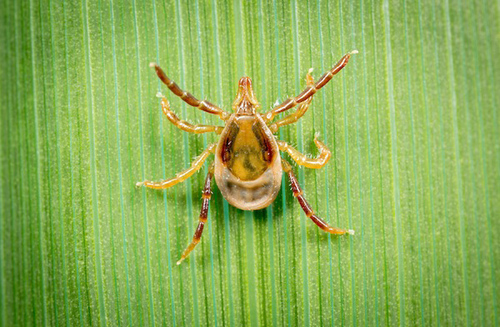
What do they look like?
Ticks are not insects and are actually members of the arachnids – so are more closely related to spiders than insects. As such, the adults have eight legs, although interestingly the larval stage has 6 legs.
Back to Tick Menu
Key Tick Facts

Signs Of A Tick Infestation
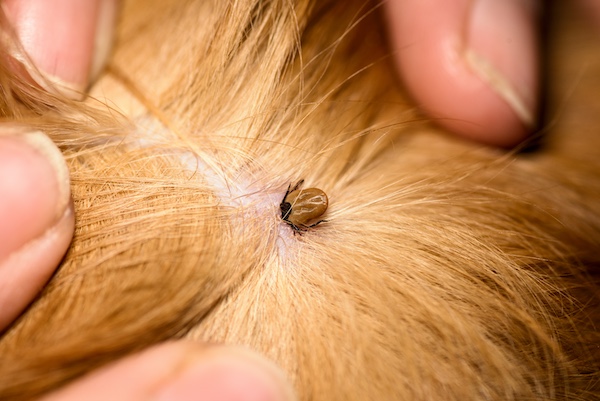
The only sign of an infestation is the presence of ticks on you or your pets or livestock. Perhaps the early sign you may have a problem developing on your property, is if you are noticing “grass ticks” in Autumn and Winter, as this will mean you are likely to have a large number of adult ticks come Spring.
Main Pest Season
Tick season has various peaks corresponding to the life-cycle, but generally numbers are higher during the warmer months and they tend to “over-winter” in New Zealand, when they are less active. Ticks generally thrive in warmer, moist environments, but struggle to survive if it is too hot and dry. All life stages need a blood meal, so it does mean you need to be on alert for ticks, year round.
Back to Tick Menu
Tick Prevention Tips
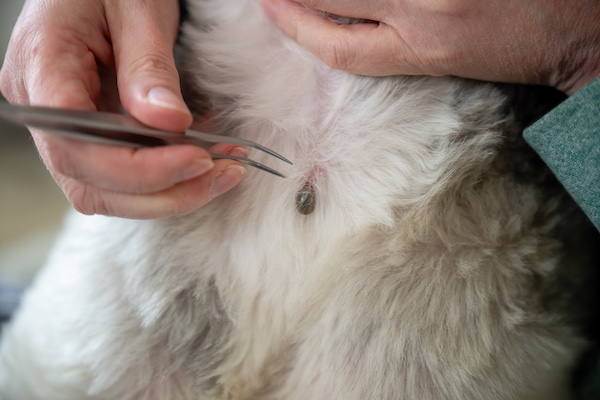
Tick Control Tips

Around the backyard, vegetation management can be very helpful in keeping the tick numbers down. Cutting back vegetation and keeping grass short will make the environment less attractive for ticks – more sun and less humidity).
Target insecticide applications are an option as well, with the best control strategy being to apply insecticides in late summer / autumn when the larvae and nymphs are present, as these are easier to kill. They also reside in the leaf litter so it means you need to get the insecticide down to soil level.
Back to Tick Menu
PestXpert Products For Ticks
Back to Tick Menu
FAQs About Ticks
Back to Tick Menu
PestXpert Blog
For the dedicated PestXperts…
The PestXpert Blog gets updated regularly with articles on pests, products and tricks of the trade.
Take your pest control knowledge to the next level and say goodbye to pest problems.
-
 5 Facts About Carpet Beetles You Need to Know
Carpet beetles are a common fabric pest. Although their name indicates they only eat carpets or rugs, they will eat a wide range of animal fabrics including wool, fur, silk, felt, feathers and leather. As with any pest problem it…
-
 Top 10 Hiding Places for Silverfish in Your Home
Secretive and nocturnal, a silverfish infestation can go unnoticed for some time. A versatile, primitive insect, silverfish can inhabit a wide range of hiding places in your house. Silverfish like to eat starchy foods, so they find paper and cardboard…
-
 DIY Pest Control – Which insecticide should you use?
What type of insecticide should you use? If you’ve done your own pest spray at home before you’ve probably got your sprayer sitting in the garage. Insects are back, and it’s time to re-spray the home… but what insecticide should…
-
 4 Key Actions for a Pest Free Christmas
When you’re entertaining you want to make sure your home is pest free. Check out our 4 step action plan for a pest free home this Christmas
-
 Cockroach infestation? Use a cockroach bomb!
If you have a persistent cockroach problem or maybe a cockroach infestation, you need to pull out the “big guns” and a cockroach “bomb” is just the ticket!Insecticide “bombs” or “foggers” are technically known as “total release aerosols” – once…
-
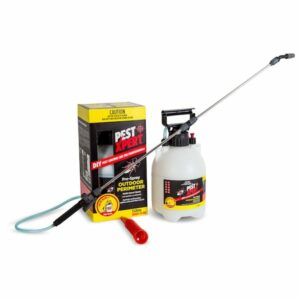 General Pest Treatments – Spray like a Professional!
When you buy a pest control product do you ever consider the “applicator” or sprayer? Possible not, but why is it important? Choosing the wrong type of sprayer can be one of the biggest sources of consumer disappointment when using…