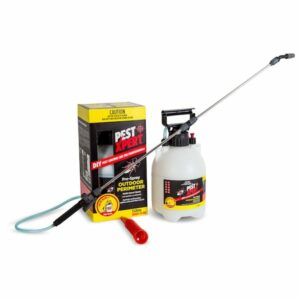
How To Control Silverfish

Silverfish

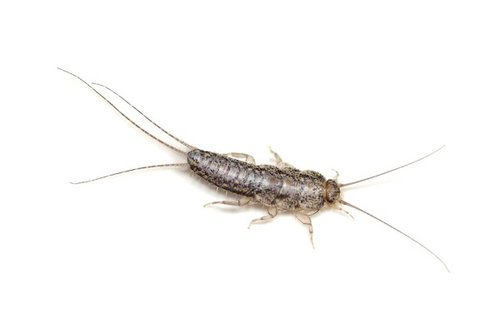
Adult Silverfish

Maybe you find a silverfish trapped in the sink or bath? Maybe you see a silverfish run from under an old pair of shoes in your wardrobe? Some may just shrug their shoulders. Others know that this could mean big trouble…. because where there is one silverfish there will be others….. and where there are silverfish there could be damage to clothing and more!

Many struggle to get rid of silverfish when they take up residence, but if you understand a bit about silverfish behaviour and use the correct silverfish control products, there is no reason you cannot get rid of these insects.

Silverfish Identification

Silverfish
Silverfish

What do they look like

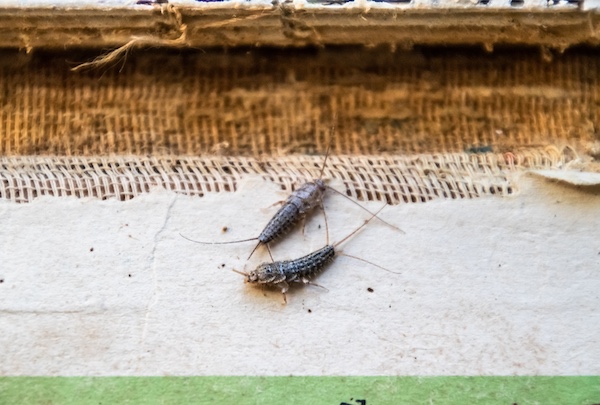
  • Silverfish are primitive, wingless insects (so they have six legs). Their tapered body and fast wriggling movement, along with their silvery scales gives them some “fish-like” features.
  • Silverfish eggs are whitish and oval-shaped, about 0.8 mm long. They will often be found in groups of up to 60 eggs in cracks and crevices.
  • Young silverfish look very similar to the adult, except they are smaller and whiter in colour.
  • Adult silverfish can be up to 3 cm long. If you find a large silverfish, the chances are they have been laying eggs for a long time and you could have a big problem.

Back to Silverfish Menu

Key Silverfish Facts
silverfish on books
Silverfish like paper and cardboard to feed on
  • Silverfish live in moist areas, with a high humidity. In buildings they are commonly found in roof voids, sub-floors, bathrooms and laundries. They are commonly found in stored cardboard boxes.
  • Silverfish are nocturnal, running away from light and vibrations – so they like dark, undisturbed areas.
  • Silverfish have a strong preference for materials containing complex sugars such as starch. Complex sugars are found in many materials including paper, glue, carpet and clothing. Silverfish will also eat other plant and animal materials such as cotton and leather.
  • Silverfish can cause significant damage to clothing as well as spoil food. However, it is their damage to books, photos and documents that is often irreplaceable.
  • Adult silverfish can live for 2-8 years, getting progressively bigger. In that time they can lay a lot of eggs… so a large silverfish may mean you have a big problem.
  • Silverfish don’t come up drains, they fall into basins and baths and are unable to climb out.

Back to Silverfish Menu

Signs of a Silverfish Infestation

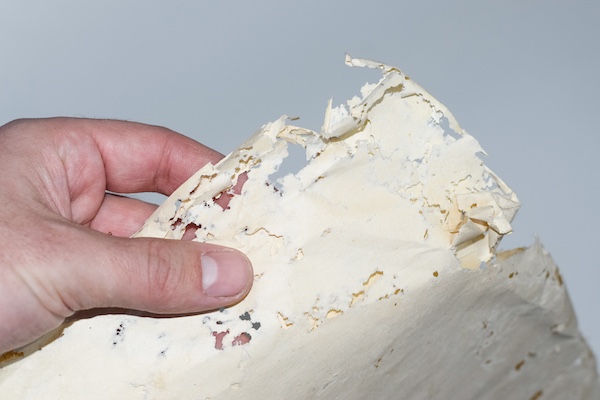
Silverfish damage to paper
Severe silverfish damage to paper envelope

Other than seeing silverfish, holes in clothing, chewed areas on boxes and damage to pages of books could also indicate a silverfish infestation. Sometimes the damage is accompanied by a yellow stain. However, there are a range of pests that eat clothes.

Main Pest Season

There is no real pest season for silverfish in New Zealand as they live indoors. Certainly warmer weather allows them to breed more quickly, but it is the humidity that is critical for their survival. They need a relative humidity of between 75% and 95%, which generally only occurs in Summer in cooler climates (year round in the tropics) or in buildings where there is dampness or a moisture issue.

Back to Silverfish Menu

Silverfish Prevention Tips

Documents stored in cardboard boxes
Avoid storing documents in cardboard boxes – sealed plastic boxes are better
  • As silverfish like moist / high humidity environments, reducing humidity in susceptible areas is the key to prevent a silverfish problem; use de-humidifiers, air-conditioning and fans in bathrooms, kitchens, laundries, roof voids, sub-floors and any other damp areas.
  • Try and find out if there is a reason for the moisture / high humidity and fix it. (Poor drainage under the house, leaking roof, leaking taps, tumble dryer not vented to the outside are common problems).
  • It is impossible to remove all food sources (clothes, paper and books), but you can make it harder for them to access them. Keep these items off the floor and stored in sealed containers if possible.
  • Maintain a strict hygiene regime. Not only vacuuming thoroughly, including in all those dark corners, but cleaning up any spilt food and storing opened food in sealed containers. Make sure the contents of the vacuum bag are placed in a sealed bag and put in the bin after each use.
  • Use caulking agents to fill any gaps in walls and skirting boards.
  • Carefully check any cardboard boxes you may bring into the house to avoid re-infestation.

Back to Silverfish Menu

Silverfish Control Tips

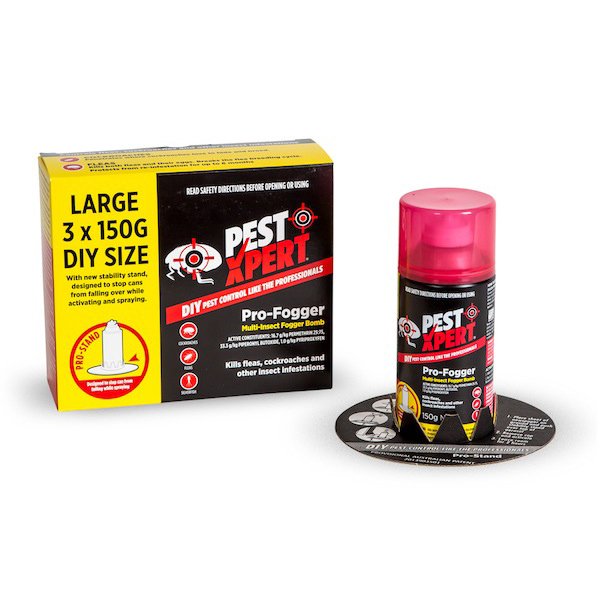
PestXpert Pro Fogger
PestXpert Pro-Fogger
  • Prior to any silverfish treatment a Spring clean is required;
  • Ideally throw out any cardboard boxes used for storage and replace with sealed plastic containers. If you must keep cardboard boxes they should be stored off the ground and treated (but this won’t guarantee re-infestation).
  • Carry out a thorough vacuum of rooms (especially the room edges and under furniture) and cupboards.
  • Remove any clothes and belongings from areas to be treated and check for silverfish.
  • If the clothes and belongings are not susceptible to heat, place in a black plastic bag, seal and leave in the sun for 1-2 hours. The heat will kill any silverfish and eggs on the clothes.
  • Use a total release aerosol (fogger or “bomb) in rooms of high infestation.
  • Use a insecticide spray (aerosol or ready to use pump pack) under furniture, around the perimeter of rooms and in all shelves and drawers of cupboards.
  • Potential hot spots in roof voids and sub-floors should also be sprayed. Here’s a list of the top silverfish hiding spots.

Back to Silverfish Menu

PestXpert Products For Silverfish

  • PestXpert Pro-Fogger total release aerosol provides the first stage of a silverfish treatment. Release one aerosol per room to provide complete coverage. The stability stand ensures the aerosol does not fall over in use. Ensure all safety instructions are read before use.
  • To hit any dead spots (such as under furniture), use Pro-Spray crawling aerosol to finish the interior treatment.
  • Pro-Spray Flying can also be used to treat any cupboards or drawers.
  • Silverfish hotspots in the roof void and sub-floor can be treated with Pro-Spray Crawling aerosol.

FAQs about Silverfish

Back to Silverfish Menu

PestXpert Blog

For the dedicated PestXperts…

The PestXpert Blog gets updated regularly with articles on pests, products and tricks of the trade.
Take your pest control knowledge to the next level and say goodbye to pest problems.

  • Carpet beetle larva
    5 Facts About Carpet Beetles You Need to Know

    Carpet beetles are a common fabric pest. Although their name indicates they only eat carpets or rugs, they will eat a wide range of animal fabrics including wool, fur, silk, felt, feathers and leather. As with any pest problem it…

  • Silverfish
    Top 10 Hiding Places for Silverfish in Your Home

    Secretive and nocturnal, a silverfish infestation can go unnoticed for some time. A versatile, primitive insect, silverfish can inhabit a wide range of hiding places in your house. Silverfish like to eat starchy foods, so they find paper and cardboard…

  • Pest Control Spray to outside of house
    DIY Pest Control – Which insecticide should you use?

    What type of insecticide should you use? If you’ve done your own pest spray at home before you’ve probably got your sprayer sitting in the garage.  Insects are back, and it’s time to re-spray the home… but what insecticide should…

  • 4 Key Actions for a Pest Free Christmas

    When you’re entertaining you want to make sure your home is pest free. Check out our 4 step action plan for a pest free home this Christmas

  • cockroach eating a pear
    Cockroach infestation? Use a cockroach bomb!

    If you have a persistent cockroach problem or maybe a cockroach infestation, you need to pull out the “big guns” and a cockroach “bomb” is just the ticket!Insecticide “bombs” or “foggers” are technically known as “total release aerosols” – once…

  • PestXPert Outdoor Perimeter Spray product image
    General Pest Treatments – Spray like a Professional!

    When you buy a pest control product do you ever consider the “applicator” or sprayer? Possible not, but why is it important?  Choosing the wrong type of sprayer can be one of the biggest sources of consumer disappointment when using…