
Top 30 Pest Prevention Tips
|
|
Pest infestations are definitely annoying, but they can also cause a lot of anxiety and potential damage. Pest infestations can often be difficult to control, due to the shear number of pests involved and extent of the problem. However, as with many things, prevention is often easier than the cure. Indeed, many pest problems can be prevented through good hygiene practices and a bit of home maintenance, even without using pest control products.
So here are the top 30 pest prevention tips for inside and outside the home...
Reduce Pest Hiding Places around the Perimeter of Your Home
Pests are almost always outside trying to get in. Whereas you cannot eliminate pests completely from your yard, you can certainly make the area around and under your home less attractive for pests.
Garden beds adjacent to the house are pest havens. They create lots of places for pests to live and hide (bushes, mulch and soil), with lots of food and moisture. If you create a pest haven right next to your home, it’s perhaps not a surprise when you get a few unwanted visitors inside your home. So here are the tips…

1) Remove garden beds adjacent to the house and replace with alternative landscaping such as pebbles and plants in pots
We accept that many won’t want to do this due to aesthetics or cost (but it is the best way to keep pests at bay!). So if you keep the garden beds in place….
2) Keep plants well pruned and away from the house, so you can walk along the exterior wall (or at least see the exterior wall clearly)
3) Avoid or minimise watering the garden beds
4) Use a non-organic mulch such as pebbles
5) Don’t use organic fertilisers (such as manure or blood and bone) in the garden bed.
6) Get rid of any waste wood / unwanted building materials
Block Pest Entry Points
There are a number of pest entry points that should be blocked off
7) Fill any cracks or holes in walls and around doors and windows
8) Make sure insect screens and draft excluders are well fitted and in good condition
9) Fit weepholes with pest protection screens (metal are best). DO NOT seal weep holes up with filler or block with soil / ground level. They are there for a reason!
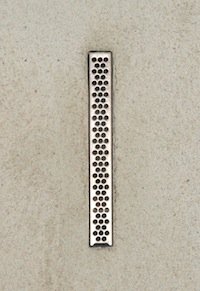
10) If your home has vents, the newer style with its open wire mesh is already rodent proof. If you have older style brick vents you will need to cover with rodent proof wire (preferably on the inside as it looks better). DO NOT cover with fine mesh to block out insects as this dramatically reduces airflow (the reason they are installed). For insect proofing you will need to spray inside the vents.
11) To stop rodents getting into the roof, trim back any overhanging branches and block off any small holes into the roof void with rodent proof material
Make Your Sub-floor Less Attractive to Pests (if you have one)
12) Make sure there is sufficient drainage / airflow (ie. low humidity) in sub-floor.
13) Throw out any rubbish in the sub-floor
14) Minimise stored goods in the sub-floor – they create lots of insect hiding places and prevent complete inspection for termites

If you must store items in the sub-floor…
15) Keep all stored items raised off the floor
15) Store items in sealed plastic containers when possible
17) Avoid using cardboard boxes, a favourite hiding place (and food source) for many insects
Remove Sources of Food and Water that Attract Pests
18) Eliminate sources of standing water (potential mosquito breeding sites)
19) Fix any leaks in kitchen, bathroom and laundry
20) Ensure all rubbish is places in bags, in solid bins with well fitting lids (ideally away from the house)
21) Do not leave dirty dishes, spilt food and food waste lying around
22) Clean potential kitchen pest hiding places on a regular basis; cooker, dishwasher, toaster, microwave and pantry
23) Store food in sealed, insect-proof containers
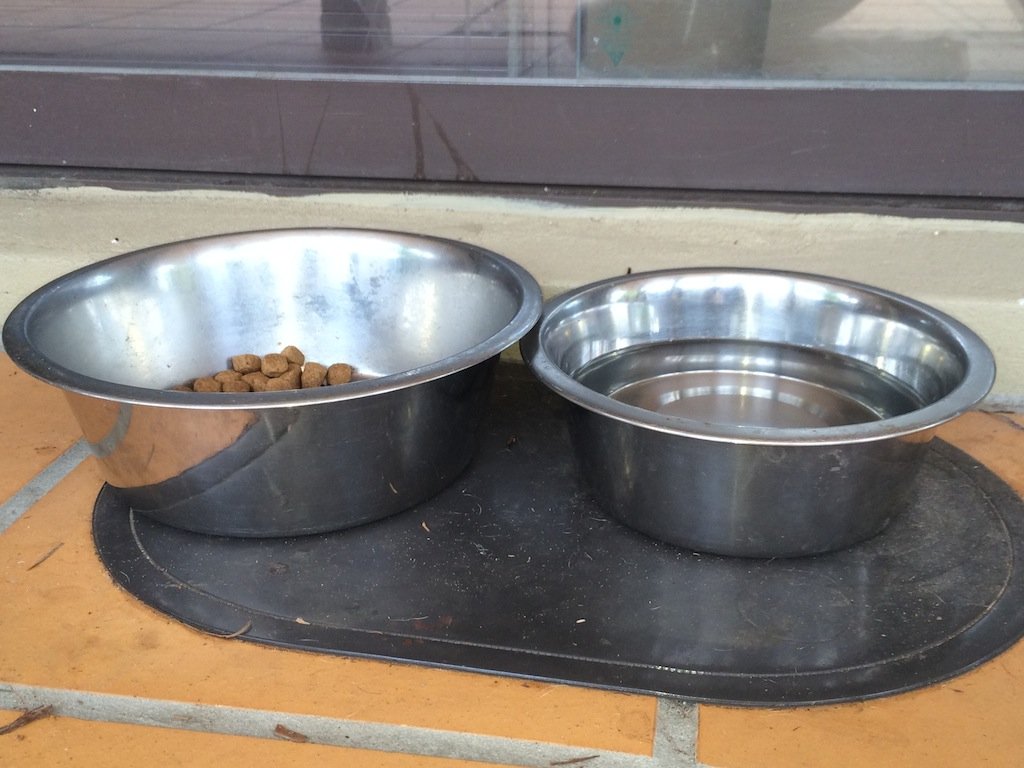
24) Do not leave pet food out / on floor

Eliminate Pest Hiding Places Inside Your Home
25) Avoid using cardboard boxes for storage (preferred insect hiding place and food source)
26) At the end of each season, wash clothes before storage and store in an insect-proof container / case
Make the Inside of Your Home Less Attractive to Pests
27) Regularly vacuum, especially around edges of room and under furniture / dark places
28) Keep clothes and shoes off the floor
29) In rooms / cupboards that suffer from high humidity, try and locate the cause of increased humidity and remedy if possible. Otherwise use fans / dehumidifiers
Avoid Introducing Pests into Your Home by Accident!
30) Check any incoming boxes for insect pests
Of course, once you have done your clean up / maintenance, a preventative pest spray works wonders and sets you on your path to a pest free home.
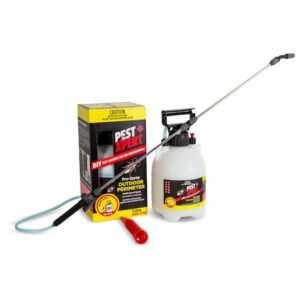
For outside your home PestXpert Outdoor Perimeter spray, provides a professional level treatment. Inside, PestXpert Pro-Spray Crawling and PestXpert Pro-Fogger are great options.
Recommended PestXpert Products for Pest Prevention


Author:
Gordon Reidy has over 30 years experience in Pest Control Product Development and Product Safety. As the lead formulator at PestXpert, he has helped develop some of Australia’s most trusted household pest solutions. With a PhD in Toxicology, Gordon is passionate about delivering effective, science-backed products that are safe for families and the environment.
Share This Post
Further Reading
-
 What's Eating My Clothes?
There are a number of pests that cause damage to clothing, shoes, fabric items and paper around your home and office. Carpet beetles, clothes moths, silverfish and psocids (booklice) can present serious pest problems when it comes to household fabrics…
-
 The 5-Step Mosquito Control Guide for Homeowners
Whether you have to run inside at dusk to avoid the mosquito swarms, or are kept awake at night by high pitched whining in your ears, mosquito problems can be very annoying! To successfully deal with a mosquito problem, it’s…
-
 How to Stop Slaters Invading Your Home
Slaters entering the home can be a problem in New Zealand. Learn how to keep slaters out of your home and how to control them.
-
 4 Key Actions for a Pest Free Christmas
When you’re entertaining you want to make sure your home is pest free. Check out our 4 step action plan for a pest free home this Christmas
-
 Cockroach infestation? Use a cockroach bomb!
If you have a persistent cockroach problem or maybe a cockroach infestation, you need to pull out the “big guns” and a cockroach “bomb” is just the ticket!Insecticide “bombs” or “foggers” are technically known as “total release aerosols” – once…
-
 Spring Cleaning? Do a Pest Spray!
With the temperature warming up, everyone thinks about clearing up the yard for outdoor entertaining, which often leads to cleaning out the garage and then the house – a good Spring clean! If you are giving your house and yard…