How To Control Flies

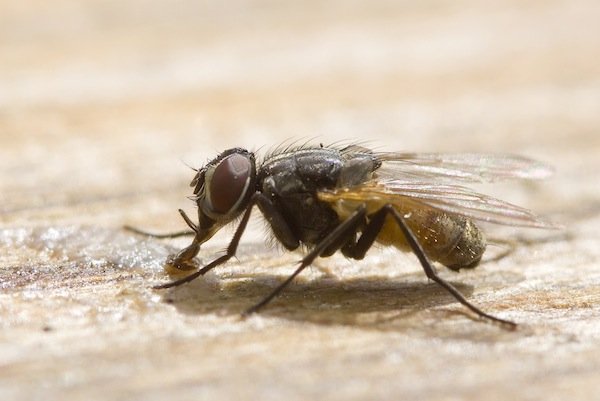
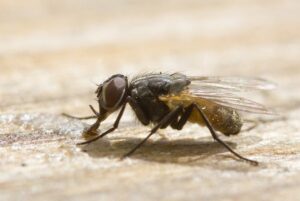
Adult housefly feeding on sugar

Adult housefly feeding on sugar

There are many species of flies that cause a nuisance around the home. The most common pests are the “filth flies”, so called because of their close association with rubbish and manure.  As a result flies can be more than just a nuisance, spreading disease-causing germs by crawling on food and other surfaces.

The housefly is the most common filth fly around homes. Although there are a number of filth fly species, the techniques used to control houseflies can be used to control other filth flies.

The main preventative action for housefly control are hygiene measures, supported by insecticide sprays in fly hotspots.

Fly Identification
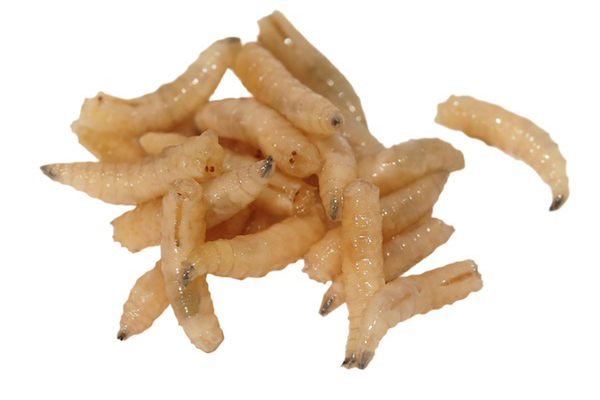
housefly maggots or larvae
Fly larvae or maggots

What do they look like?

  • The housefly larva or maggot is a pale cream colour, with no legs.
  • When the maggot is ready to change into an adult fly it crawls to a drier area where it forms a dark, capsule-like pupa.
  • The adult fly has one pair of wings, is grey in colour with 4 darker stripes running lengthwise along the back. It has large compound eyes. 

There are also 2 other types of flies found around the home, the vinegar fly and the drain fly (see below).

Back to Fly Menu

Types of Flies

Housefly

Housefly

  • Medium sized (8 mm long), fast flying, black / brown fly.
  • Breeds in manure and garbage.
  • Adults eat a wide range of food, including manure, garbage and human foods.
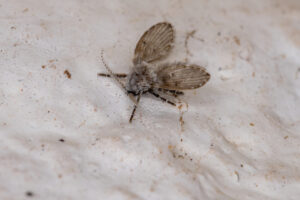
Drain fly or sewer fly

Drain fly

  • Small ( mm long), slow flying grey / black fly. Has a hairy body and wings, giving it a moth like appearance.
  • Breeds and feeds on organic material in drains and so typically found in bathrooms, laundries and kitchens.
  • Clearing drains thoroughly is essential to controlling drain flies.
  • More on how to get rid of drain flies
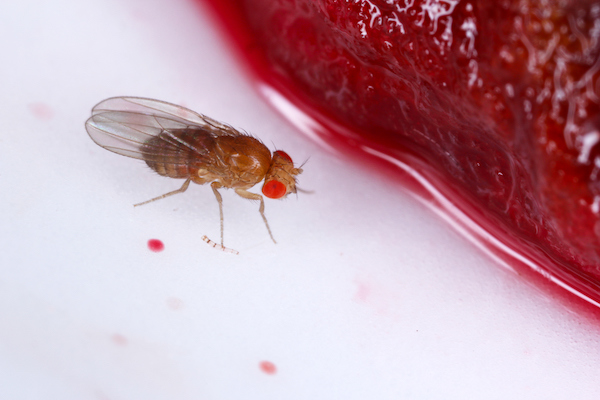
vinegar fly - Drosophila

Vinegar fly

  • Small (3-4 mm long), slow flying, brown fly, often with red eyes.
  • Breeds and feeds in rotting fruit and vegetables, but also beer and wine spillages.
  • Finding and clearing up rotting vegetables / fruit and food spills is essential.
  • More on how to get rid of vinegar flies

Key Fly Facts

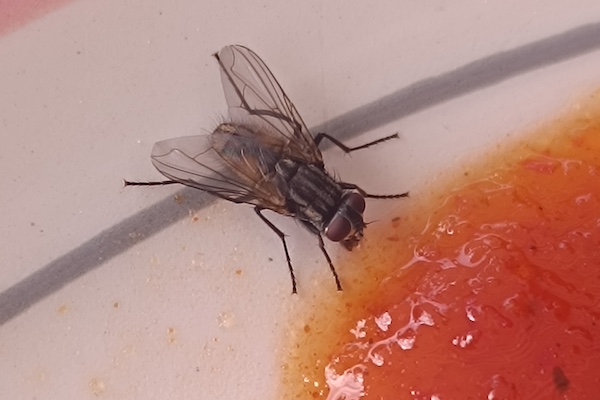
Fly eating jam
Houseflies eat a wide range of foods, especially sugary foods
  • The speed of the fly life cycle is dependent on temperature, taking several months in cooler temperatures and can be as short as 1-2 weeks in favourable Summer conditions.
  • Fly maggots live in warm, moist, organic matter such as manure and food waste (which they also eat!).
  • Adult flies feed on decaying matter and most human foods. 
  • Adult flies can only eat liquid food, so “vomit” digestive juices onto food before sucking up the liquid.
  • In flying from manure and rubbish to the kitchen, flies carry a range of bacteria and diseases, such as Salmonella and cholera. 

Back to Fly Menu

Signs Of A Fly Infestation

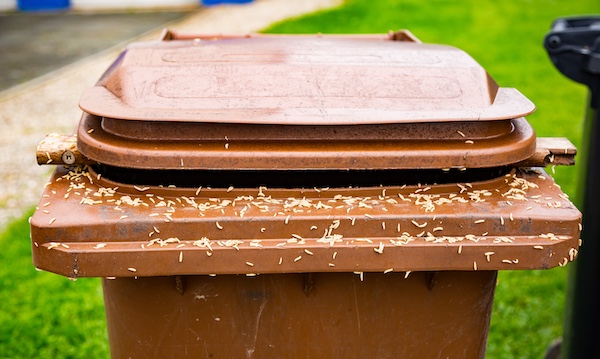
Fly maggots on garbage bin
  • Adult flies are seen around food, rubbish bins and areas of manure, where they breed and feed. They can sometime be seen resting on external walls in the morning sun to warm up.
  • When high fly numbers exist, fly “spotting” (fly droppings) can be seen on walls, ceilings and surfaces where flies rest. 

Main Pest Season

Fly numbers are far higher in the warmer months. 

Back to Fly Menu

Fly Prevention Tips

Correct disposal of garbage to avoid pest problems
Placing garbage in sealed plastic bags in bins with well fitted lids will avoid a lot of pest problems
  • Keep food covered or stored in sealed containers.
  • Do not leave dirty dishes lying on the side.
  • Do not leave rubbish lying around – place in sealed containers
  • Avoid using manure in garden beds.
  • If you keep pets (chickens, dogs and cats), make sure their waste is cleared and disposed of regularly.

Back to Fly Menu

Fly Control Tips

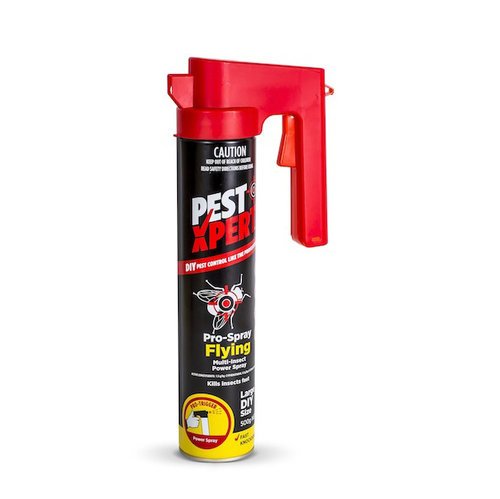
PestXpert Pro Spray Flying product
  • The most common type of housefly control products are insecticide sprays, delivered either as an aerosol or a pump-pack.
  • Flying insect aerosols are great products for killing the occasional fly quickly. Spray a 1-2 second burst in the direction of the insect. With flies difficult to hit directly, spraying the aerosol into the air to create an insecticide “cloud” which the fly then flies through, can be the best option. Spray into the air, then close the door and leave the room. Learn more about how does a fly spray work
  • Surfaces sprays, such as ready-to-use pump packs are great for spraying on surfaces where flies may land and rest. When the fly lands on the surface it picks up the insecticide and dies.  On walls sheltered from sun and rain these treatments can last several months.
  • Check out our Ultimate Guide to Fly Control.

Back to Fly Menu

PestXpert Products For Flies

  • For direct spray of the occasional fly invader, use PestXpert Pro-Flying aerosol, with its fine droplet size for good “hang time” and duel active formulation, it provides fast control.
  • To treat surfaces where flies may rest use Pro-Spray Outdoor Perimeter to give long lasting control. The 1 m wand of Pro-Spray Outdoor perimeter will allow easy spraying of external walls and eaves.

Back to Fly Menu

FAQs About Flies

Back to Fly Menu

PestXpert Blog

For the dedicated PestXperts…

The PestXpert Blog gets updated regularly with articles on pests, products and tricks of the trade.
Take your pest control knowledge to the next level and say goodbye to pest problems.

  • Spraying a fly spray correctly - a space spray
    How to use a fly spray? How does a fly spray work?

    How does fly spray work? The basics of all fly spray formulations are similar (but not the same) and most contain pyrethroid insecticides. These insecticides impact the nervous system of flies, causing their nerves to fire rapidly. This is why…

  • Drain fly
    The Top 3 Flies Found Around the Home

    We all know that flies are a big problem in New Zealand. But not all flies are the same. When it comes to fly control around the home, it helps to be able to identify the type of fly, as…

  • How to Get Rid of Flies – The Ultimate Guide to Fly Control

    Houseflies are very annoying, but they also carry a wide range of diseases including Salmonella, cholera, even leprosy and anthrax!