
How To Control Spiders
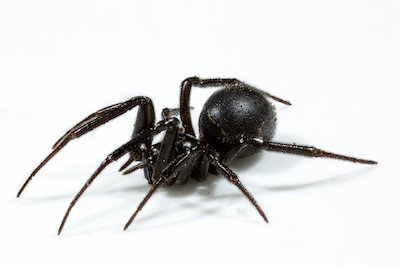
Although some people are scared of spiders, in New Zealand there are only a few species that should provide a cause for concern; the katipo, the redback, the cupboard (or false katipo) and white-tailed spiders. Of these the katipo is the only spider native to New Zealand. A bite from one of these may well require medical treatment, most people want to keep all spiders out of the home, especially if you have small children and pets around.
Control of web-building spiders (such as black house spiders) is relatively easy, but control of running spiders (white-tail spiders and huntsman) is a lot more difficult. However, with a combination of preventative measures and appropriate treatments, you can certainly make a spider encounter a rare occurrence.
Spider Identification
What do they look like?
Most people will know a spider has eight legs (and two body segments). As such they are arachnids and not insects – insects have six legs and three body segments. Although identifying spider species can require expert knowledge, most of the common varieties are easy to recognise.
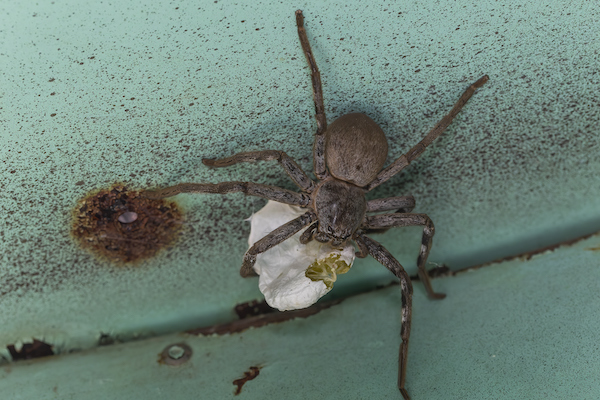
Young spiders are generally miniature forms of the adult and often remain on the female or near the web until bigger. The young hatch out of egg cases, which are white round or disc-like, dense balls of webbing material. If you see an egg case near a spider, it is likely it will be more aggressive, so beware!
Spiders can also be classified by whether they build a web or not…
- web-building spiders (katipo, redback, cupboard, black house spiders)
- running or hunting spiders (white-tailed, huntsman spiders).
Types of Spiders
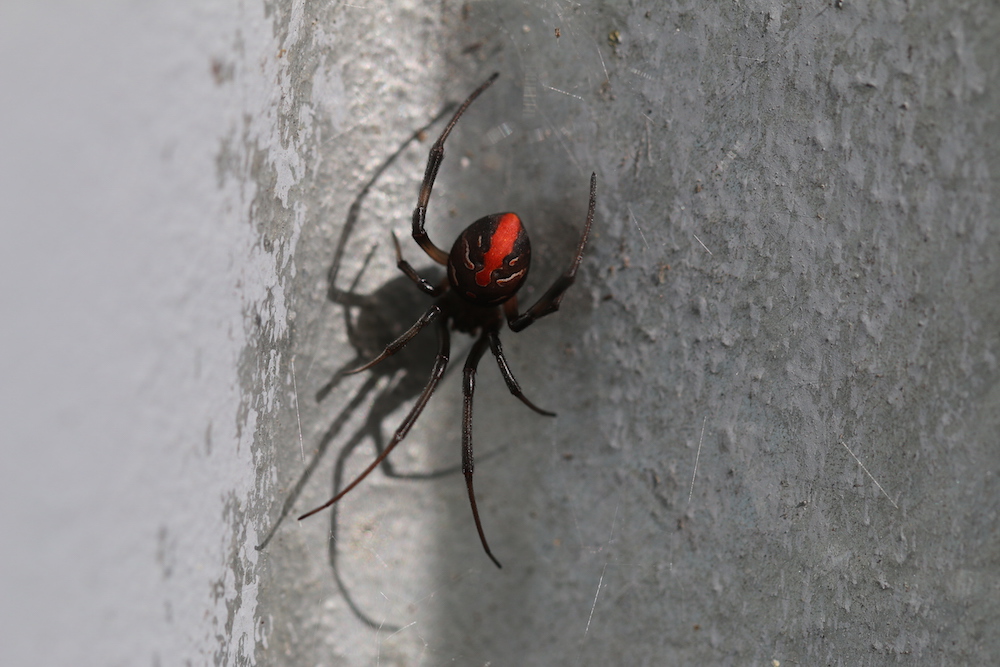
- Katipo: Female katipo have rounded black bodies, with a white-bordered red stripe on their back and a red hourglass mark underneath. They are easily confused with redbacks. Adult males and juveniles are black and white and smaller than the females. Katipo are found on or near warm, sandy beaches. It is becoming rarer over recent years. There is also a black katipo which is mainly found in the north of the North Island, but is not considered dangerous. The katipo, although dangerous, is not considered a pest and is protected as an endangered species.
- Redback spider: Female can be up to 3cm (male is many times smaller). Although we all expect a black spider with a red mark on the abdomen, young Redbacks tend to have a patterned mark rather than a red mark and sometimes adults can be almost completely black. Still confined to limited areas, primarily around Auckland and also in central Otago. More likely to be found building webs around the home than the katipo.
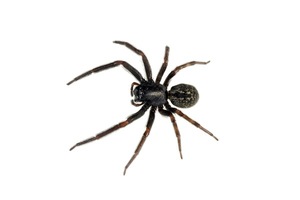
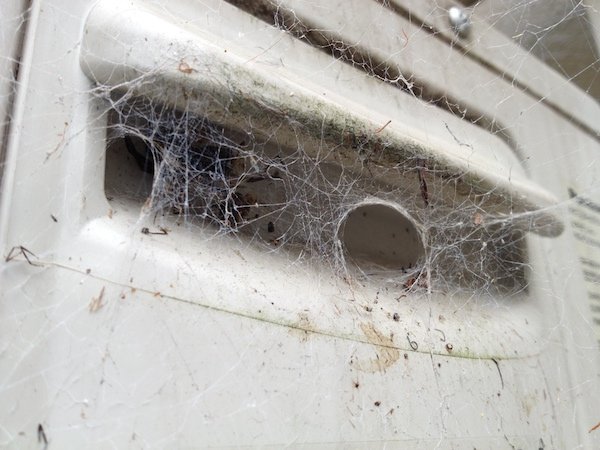
- Grey and black house spiders: A grey / black spider up to 2.5 cm, with a feint pattern on the abdomen. Typically builds webs around windows, doors and eaves, often with a funnel like entrance. The grey house spider is a slightly lighter colour than the black house spider.
- Cupboard spider (or False katipo): This spider which comes from South Africa is now widespread in New Zealand and range from black to dark brown in colour with only very feint red markings to the rear most part of the abdomen.
- White tail spider: A slender spider up to 2.5 cm long with brown and black striped legs. White tip to the abdomen.
- Huntsman spider: There are a number of huntsman species of spider. Although their colour may differ, they all have the same body shape and are fast moving. Adult size varies from 6 cm to over 15 cm.
- Tunnel web spider: These are the largest spider in New Zealand by weight and are commonly found in Wellington.
Back to Spider Menu
Key Spider Facts
- Katipo: Lives in coastal areas on warm dunes and surrounding areas. It’s numbers appear to be reducing probably due a combination of destruction of habitat and being out competed by the false katipo. It’s name means “night stinger”.
- Redback spider: Redbacks live in dry sheltered sites, under rocks and logs, in tubular fencing, in roof voids… in the outside dunny! The female Redback will often eat the much smaller male spider after mating.
- Cupboard spider: They get their name from their like for sheltered, undisturbed places to build their webs (such as cupboards). Their webs may be difficult to spot, but their presence can be detected by their droppings – white spots (like small splashes of paint) on the floor underneath webs.
- Black House spider: Normally found under rocks and in trees but is well adapted to building webs around the home; around windows, doors and eaves.
- Huntsman spider: Huntsman spiders tend to live under rocks and bark (thus their very flat body shape – which make them very adept at squeezing into cars!).
- White-tailed spider: Prefers cool moist locations, such as the mulch in garden beds. Will come inside in Summer to escape the heat, often hiding in sheets and clothing on the floor. Their favourite food is Black house spiders.
Spider Bites
If you suspect you have been bitten by a katipo or redback, you should seek urgent medical attention.
If you think you have been bitten by a spider, clean the wound with antiseptic or warm soapy water and place ice on the bite (not directly on the skin).
If you can catch (safely) or take a photo of the spider, it can allow the species to be identified to ensure the correct treatment.
Although white-tailed spiders also give a nasty bite there is no evidence that their bites give rise to skin necrosis (a bit of an urban myth!). However, if you get a reaction at the site of a spider bite (no matter the species), seek medical attention as soon as possible.
Back to Spider Menu
Signs Of A Spider Infestation
Main Pest Season
Spiders will be more common in the warmer months and often spider numbers will be higher if the spring is warmer and wetter than normal. Spiders building their nests indoors will be active all year round.
Back to Spider Menu
Spider Prevention Tips
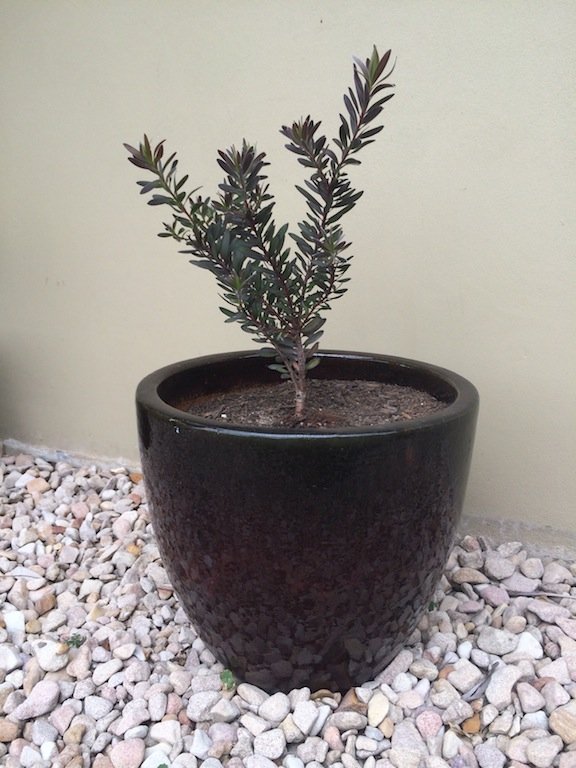
Spider Control Tips
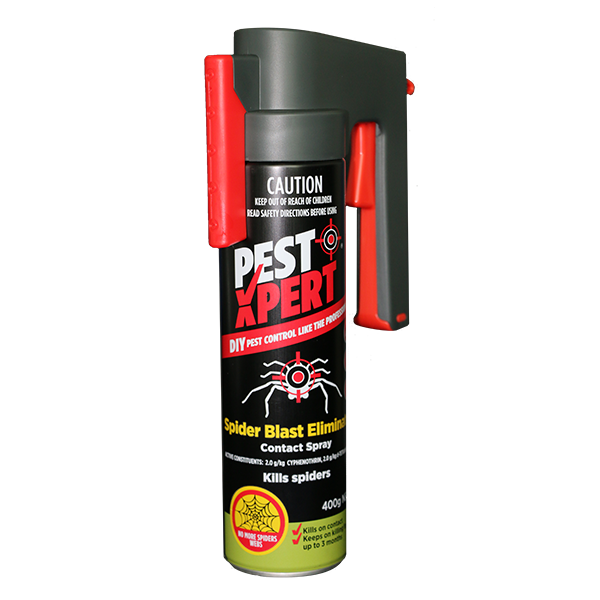
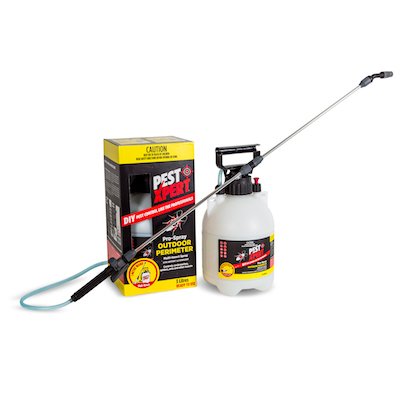
There are two types of spider from a control point of view;
- web-building spiders (Katipo, Redback, Black house & Cupboard spiders)
- running or hunting spiders (Huntsman & White-tailed spiders).
Back to Spider Menu
PestXpert Products For Spiders


Back to Spider Menu
FAQs About Spiders
Back to Spider Menu
PestXpert Blog
For the dedicated PestXperts…
The PestXpert Blog gets updated regularly with articles on pests, products and tricks of the trade.
Take your pest control knowledge to the next level and say goodbye to pest problems.
-
 Black House Spiders – All you Need to Know!
The black house spider, Badumna insignis, is one of the more common spiders found around New Zealand homes. Although their bite is quite painful the main concern for homeowners is that they build unsightly, dense webs around windows, doors and…
-
 5 Facts About Carpet Beetles You Need to Know
Carpet beetles are a common fabric pest. Although their name indicates they only eat carpets or rugs, they will eat a wide range of animal fabrics including wool, fur, silk, felt, feathers and leather. As with any pest problem it…
-
 Top 10 Hiding Places for Silverfish in Your Home
Secretive and nocturnal, a silverfish infestation can go unnoticed for some time. A versatile, primitive insect, silverfish can inhabit a wide range of hiding places in your house. Silverfish like to eat starchy foods, so they find paper and cardboard…
-
 DIY Pest Control – Which insecticide should you use?
What type of insecticide should you use? If you’ve done your own pest spray at home before you’ve probably got your sprayer sitting in the garage. Insects are back, and it’s time to re-spray the home… but what insecticide should…
-
 4 Key Actions for a Pest Free Christmas
When you’re entertaining you want to make sure your home is pest free. Check out our 4 step action plan for a pest free home this Christmas
-
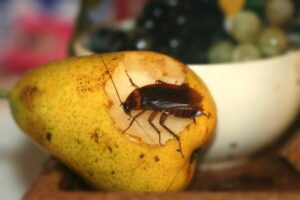 Cockroach infestation? Use a cockroach bomb!
If you have a persistent cockroach problem or maybe a cockroach infestation, you need to pull out the “big guns” and a cockroach “bomb” is just the ticket!Insecticide “bombs” or “foggers” are technically known as “total release aerosols” – once…