
How To Control Slaters
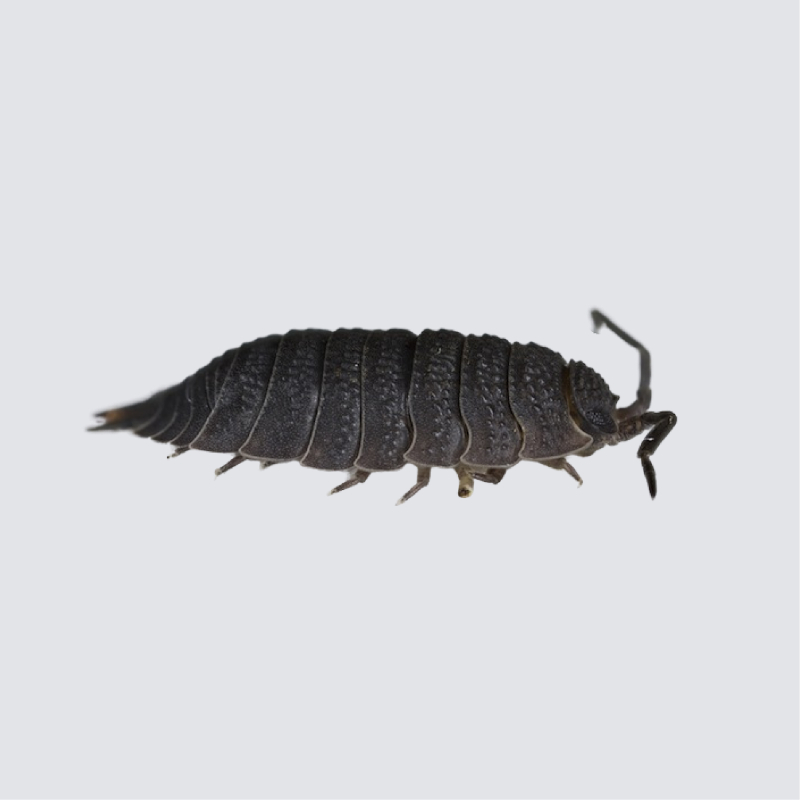
The slater (also known as the woodlouse or pillbug)
Slaters (also known as Pillbugs or Woodlice) normally live in the garden. They are beneficial insects helping with the re-cycling of dead plant material. They don’t hurt anyone. However, sometimes they do find their way inside homes.
If you are worried about slaters inside your home, there are certainly some tips to reduce their presence. If they do find their way in and you don’t fancy picking them up and throwing them back outside, there are a number of products to help you out!
Slater Identification
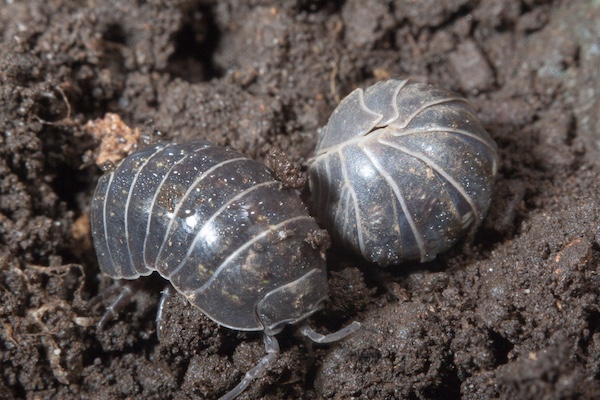
Slaters can roll themselves into a ball for protection
What do they look like?
Back to Slater Menu
Key Slater Facts
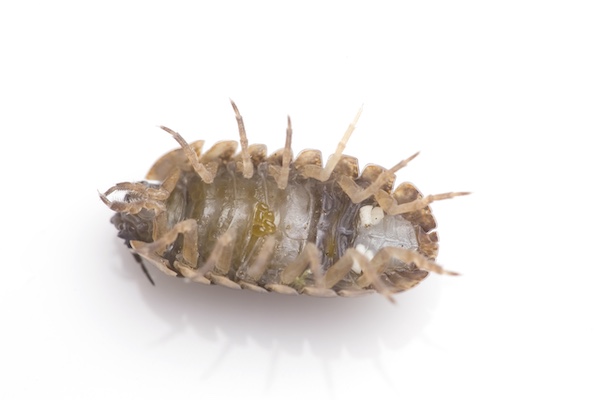
Slaters have pleopodal lungs (white patches) to help them breath
Signs Of A Slater Infestation
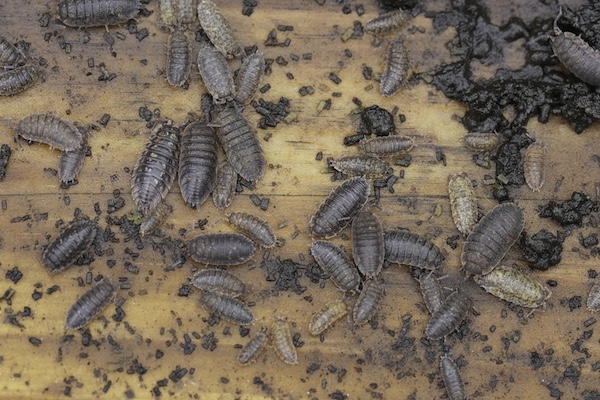
Slaters can congregate in large numbers in moist locations
The presence of slaters inside the house is the first sign you may have a problem. There are 4 main reasons why slaters may come inside
Main Pest Season
There is no real pest season for slaters, although they are certainly more abundant outside in the warmer months.
Back to Slater Menu
Slater Prevention Tips
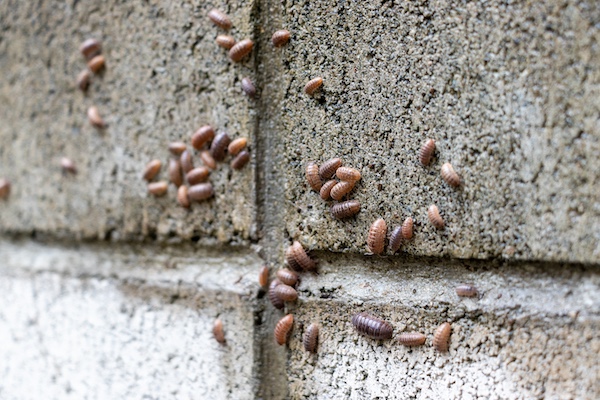
Slater Control Tips
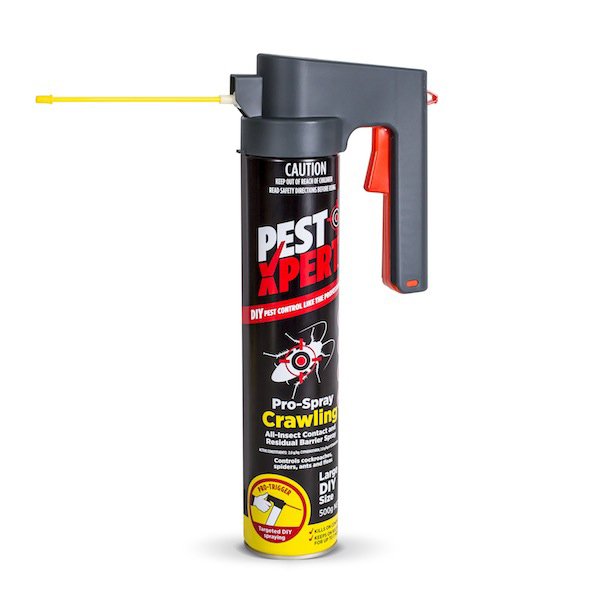
PestXpert Products For Slaters


Back to Slater Menu
FAQs About Slaters
Back to Slater Menu
PestXpert Blog
For the dedicated PestXperts…
The PestXpert Blog gets updated regularly with articles on pests, products and tricks of the trade.
Take your pest control knowledge to the next level and say goodbye to pest problems.
-
 5 Facts About Carpet Beetles You Need to Know
Carpet beetles are a common fabric pest. Although their name indicates they only eat carpets or rugs, they will eat a wide range of animal fabrics including wool, fur, silk, felt, feathers and leather. As with any pest problem it…
-
 Top 10 Hiding Places for Silverfish in Your Home
Secretive and nocturnal, a silverfish infestation can go unnoticed for some time. A versatile, primitive insect, silverfish can inhabit a wide range of hiding places in your house. Silverfish like to eat starchy foods, so they find paper and cardboard…
-
 DIY Pest Control – Which insecticide should you use?
What type of insecticide should you use? If you’ve done your own pest spray at home before you’ve probably got your sprayer sitting in the garage. Insects are back, and it’s time to re-spray the home… but what insecticide should…
-
 4 Key Actions for a Pest Free Christmas
When you’re entertaining you want to make sure your home is pest free. Check out our 4 step action plan for a pest free home this Christmas
-
 Cockroach infestation? Use a cockroach bomb!
If you have a persistent cockroach problem or maybe a cockroach infestation, you need to pull out the “big guns” and a cockroach “bomb” is just the ticket!Insecticide “bombs” or “foggers” are technically known as “total release aerosols” – once…
-
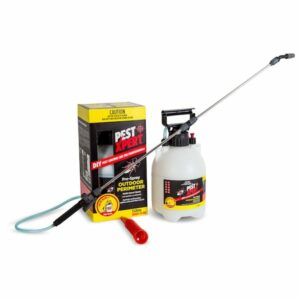 General Pest Treatments – Spray like a Professional!
When you buy a pest control product do you ever consider the “applicator” or sprayer? Possible not, but why is it important? Choosing the wrong type of sprayer can be one of the biggest sources of consumer disappointment when using…