

5 Facts About Carpet Beetles You Need to Know
|
|
Carpet beetles are a common fabric pest. Although their name indicates they only eat carpets or rugs, they will eat a wide range of animal fabrics including wool, fur, silk, felt, feathers and leather. As with any pest problem it helps to know a bit about your ‘enemy’. Here are 5 important pieces of information that will help you spot a carpet beetle problem and prevent a carpet beetle problem developing.
Types of carpet beetle
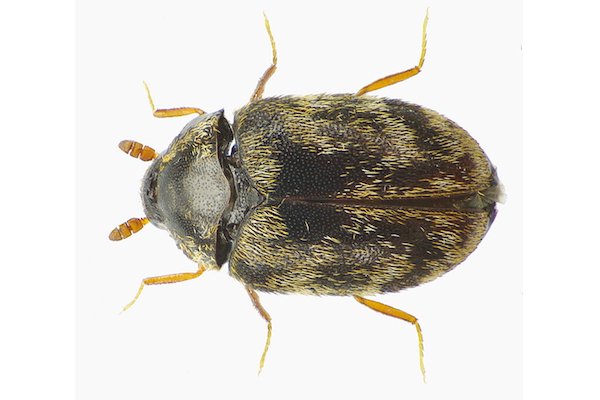
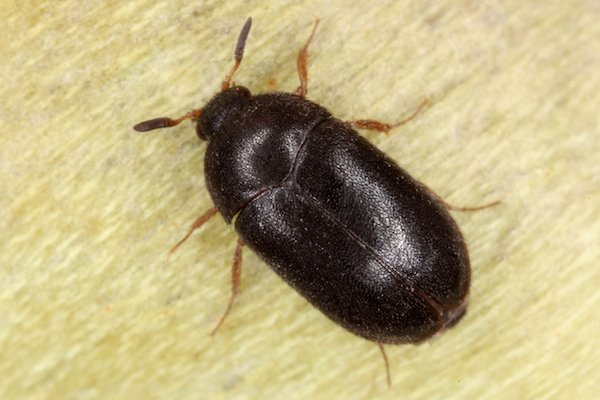
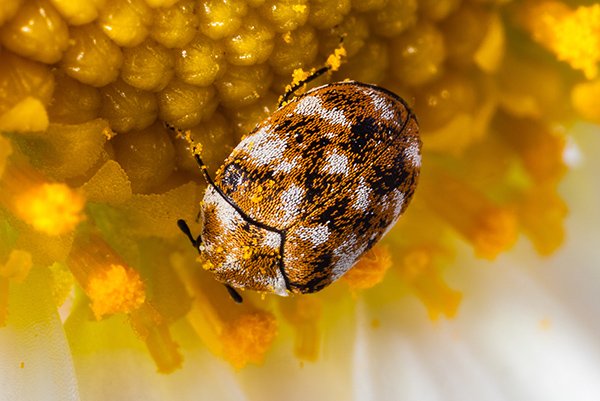
There are number of different species of carpet beetle, with the three common species in Australia and New Zealand being the black carpet beetle, variegated carpet beetle and Australian carpet beetle. There are also a range of other closely related beetles that belong to the Dermestid family, that have a similar appearance to carpet beetles, including hide beetles, fur beetles and the invasive pest, the khapra beetle which is a pest of stored dried food.
Carpet beetles are small 2-3 millimetres long. The black carpet beetle is a uniform black colour, whereas the variegated carpet beetle and Australian carpet beetle have a mottled colouration – a mixture of white, brown, and black patches.
The adult carpet beetles do not cause the damage, it’s their larvae that eat the fabrics and cause all the damage.
Carpet beetle larva – “Woolly bears”
Carpet beetle larvae are much larger than adults – up to 7 millimetres in length. One of their distinguishing features is that they are covered with many short hairs or bristles from which they get their common name. They can stay in this larval stage for up to 2 years, so they can cause quite a lot of damage.
Apart from the damage they cause, their hairs can cause significant allergic reactions in some people, including intense itching of the skin and rash, with the irritation sometimes spreading to the eyes and respiratory tract. When there has been an ongoing infestation, the number of hairs and spent cuticles in the carpet can be significant. These can be stirred up when vacuuming.
Signs of carpet beetle activity
The most obvious sign of carpet beetle activity is damage. Damage typically occurs in patches (rather than small spots) and there will often been spent cuticles (the skins they shed as their grow) nearby.
Another sign you have a carpet beetle problem, is finding small beetles on windowsills and on the inside of windows. These are the newly emerged adult beetles trying to get outside.
Where do carpet beetles hide?
Since carpet beetles don’t like light, damage is almost always in dark, undisturbed areas, which is why the damage often goes un-noticed for some time. Underneath heavy furniture, which is dark and an often unvacuumed area, is a common site of activity.
Ensuring all corners of the room are vacuumed regularly, including moving heavy furniture to get to the hard-to-reach spots, will allow you detect the early signs of a carpet beetle problem and will go a long way to preventing a carpet beetle infestation becoming established.
Adult carpet beetles are quite the opposite, they like light and live outside, so don’t hide at all!
Where do carpet beetles come from?
Adult carpet beetles feed on pollen so are found in many urban gardens. In most cases, carpet beetle infestations originate from adult beetles that fly in from flowers around the building. So, one of the best ways to prevent carpet beetle infestations is to keep flowering plants away from the perimeter of the building and / or make sure there are well-fitted screens on the windows. Of course, carpet beetles can also be brought into the house on cut flowers, so these should be checked too.
Check out our page on how to control carpet beetles for recommended carpet beetle treatments and carpet beetle products.
Australian carpet beetle image credit: Siga, CC BY-SA 4.0 https://creativecommons.org/licenses/by-sa/4.0, via Wikimedia Commons
Recommended PestXpert Products


Author:
Gordon Reidy has over 30 years experience in Pest Control Product Development and Product Safety. As the lead formulator at PestXpert, he has helped develop some of Australia’s most trusted household pest solutions. With a PhD in Toxicology, Gordon is passionate about delivering effective, science-backed products that are safe for families and the environment.
Share This Post
Further Reading
-
 What's Eating My Clothes?
There are a number of pests that cause damage to clothing, shoes, fabric items and paper around your home and office. Carpet beetles, clothes moths, silverfish and psocids (booklice) can present serious pest problems when it comes to household fabrics…
-
 Top 10 Hiding Places for Silverfish in Your Home
Secretive and nocturnal, a silverfish infestation can go unnoticed for some time. A versatile, primitive insect, silverfish can inhabit a wide range of hiding places in your house. Silverfish like to eat starchy foods, so they find paper and cardboard…
-
 DIY Pest Control - Which insecticide should you use?
What type of insecticide should you use? If you’ve done your own pest spray at home before you’ve probably got your sprayer sitting in the garage. Insects are back, and it’s time to re-spray the home… but what insecticide should…
-
 4 Key Actions for a Pest Free Christmas
When you’re entertaining you want to make sure your home is pest free. Check out our 4 step action plan for a pest free home this Christmas
-
 Cockroach infestation? Use a cockroach bomb!
If you have a persistent cockroach problem or maybe a cockroach infestation, you need to pull out the “big guns” and a cockroach “bomb” is just the ticket!Insecticide “bombs” or “foggers” are technically known as “total release aerosols” – once…
-
 General Pest Treatments - Spray like a Professional!
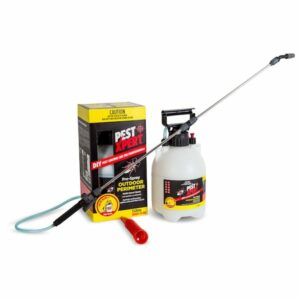
When you buy a pest control product do you ever consider the “applicator” or sprayer? Possible not, but why is it important? Choosing the wrong type of sprayer can be one of the biggest sources of consumer disappointment when using…
-
 Spring Cleaning? Do a Pest Spray!
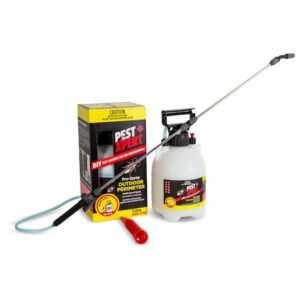
With the temperature warming up, everyone thinks about clearing up the yard for outdoor entertaining, which often leads to cleaning out the garage and then the house – a good Spring clean! If you are giving your house and yard…
-
 Safe pesticide use for pet owners
“Are insecticides safe to use around my pets?” is perhaps one of the most common question homeowners ask about pest control products. It’s a good question…. and important, because when using any pest control product, safety comes first! Learn more about…